Manufacturing in Denizli since 2005 • Delivery to 81 provinces • Custom B2B quotes for bulk orders

B2B workwear manufacturing

Wholesale Softshell Vest Manufacturing — Logoed, Sleeveless Membrane Field Vest

İlke Tekstil, as a Denizli-based manufacturer, produces wholesale softshell vests for logistics, warehouse, courier, field engineering, event-fair and security teams; logoed, embroidered and printed sleeveless vests are made to order. Softshell is a soft-shell fabric in which an outer stretch woven face and an inner fleece lining are joined by bonding (lamination); it combines wind resistance, elasticity and warmth retention. The softshell vest is the sleeveless variant of the sleeved model: it keeps the body warm and protected from wind while leaving the arms entirely free, which is why it is preferred for jobs with heavy arm movement such as forklift operation, handheld terminals, driving and assembly. The structure is not a standalone outer shell but the mid or top piece of layered clothing: it is worn over a sweatshirt and under a coat in the cold. An important honesty note: softshell is generally water-repellent (DWR — durable water repellent coating), not waterproof; it soaks through in continuous and heavy rain, and full waterproofness requires a membrane raincoat or hardshell. Our minimum order quantity is 10 and the lead time is 7-15 days; your corporate color is matched by Pantone code, and the same recipe ensures team consistency across the vest-coat-sweatshirt combination. The sample is paid for, and the sample fee is refunded once an order is placed; pricing is offered in writing at manufacturer prices according to quantity, fabric and logo method. Note: for the sleeved and lightweight transitional-season model see our softshell jacket page, and for the heavy winter hooded outer shell see our softshell coat page; this page is dedicated to sleeveless softshell vest manufacturing.

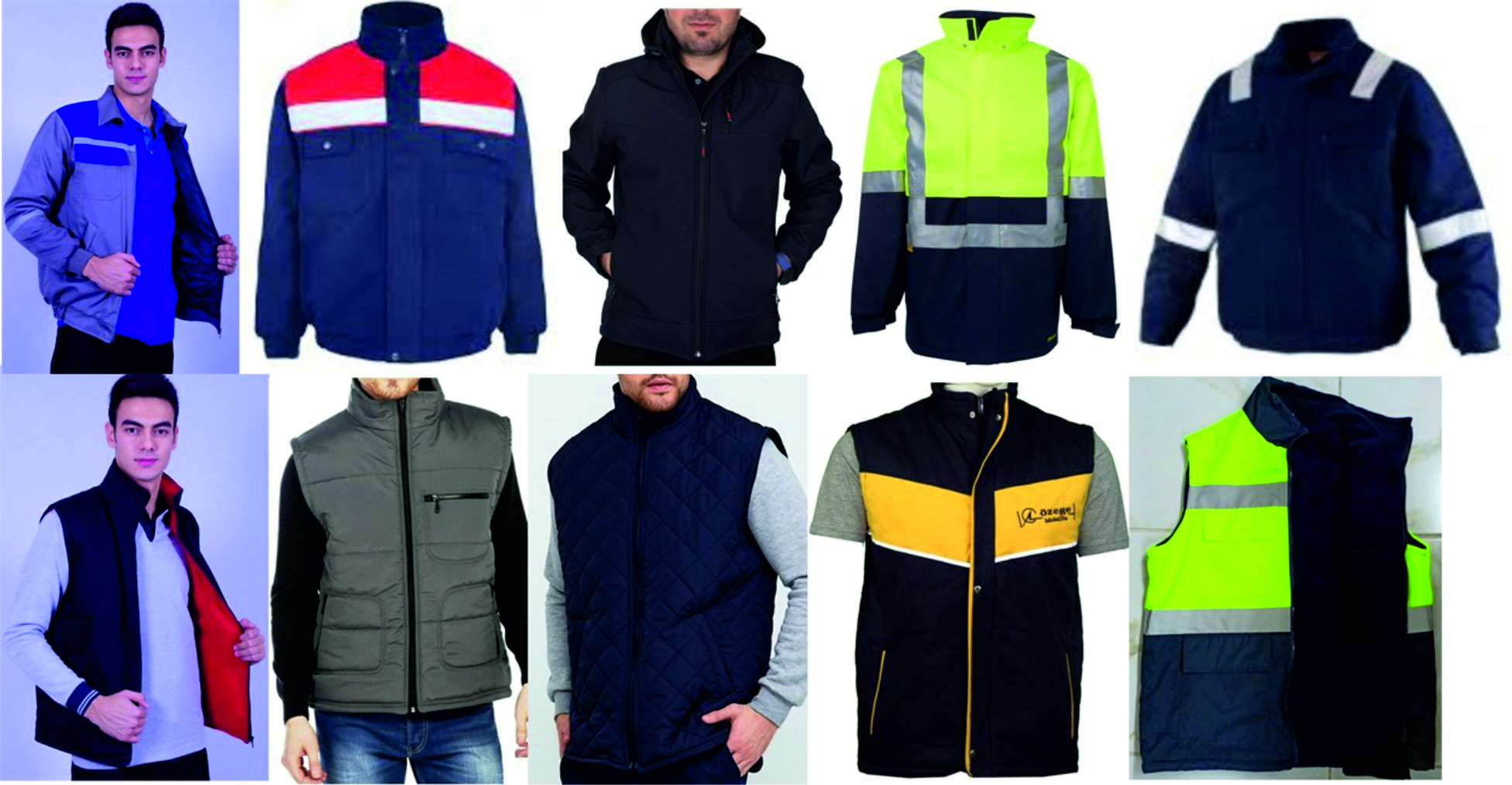
Wholesale Softshell Vest Manufacturing — Logoed, Sleeveless Membrane Field Vest - product visual area

Sleeveless softshell vest (outer stretch + inner fleece lining)

Reflective hi-vis softshell vest (within the EN ISO 20471 framework)

Multi-pocket engineer softshell vest

Fully made to order: you decide

This product is not picked off the shelf; every axis is set to your order. The table shows the option range and the minimum quantity for custom work.

Customization axisOptionsMinimum order (MOQ)
Layer structure2-layer (membrane-free, DWR) · 3-layer (TPU/PU membrane)Standard 10 pieces
Weight / seasonThin summer ≈120-180 · four-season ≈200-280 · winter fleece-lined ≈320-400 g/m²Standard 10 pieces
VisibilityPlain corporate · reflective hi-vis (within the EN ISO 20471 framework, class by certified testing)Standard 10 pieces
Pocket and detailChest zippered · side warming · inner phone/document · pen-card pocket — by layoutStandard 10 pieces
Collar and closureStand (half turtleneck) collar · full-length zipper (chin garage) · rib/snap waistStandard 10 pieces
Color / PantoneCorporate color chart · fabric matching/dyeing by Pantone codeStock color 10 · custom dyeing by batch minimum
Size setS-5XL grading · chest 96-124 cm · custom measurementStandard 10 pieces
Logo applicationEmbroidery (chest/back) · transfer · laser-cut appliquéStandard 10 pieces
Label and packagingWoven label · care label · single pouch · separate box by size/colorStandard 10 pieces

Standard production (stock fabric and color + logo) starts from 10 pieces. For jobs requiring custom Pantone dyeing, a certified hi-vis class or a specification-specific pattern, the minimum is finalized before the order according to production-line planning.

Fabric and weight options

FabricWeightUse
2-layer softshell (outer stretch + inner fleece)Approximately 200-280 g/m²Membrane-free structure; wind-resistant, DWR water-repellent, elastic and breathable. The standard for the four-season mid-layer vest.
3-layer membrane softshellApproximately 280-340 g/m²Outer face + TPU/PU membrane + inner fleece; fully blocks wind, high water repellency. Open-field and windy-environment vest.
Thin summer softshell (mechanical stretch)Approximately 120-180 g/m²Low weight, thin lining; light and breathable. Summer transitional and indoor event vest.
Fleece-lined winter softshellApproximately 320-400 g/m²Thick inner fleece; keeps body heat high. Winter mid-layer and cold-storage vest.
Reflective hi-vis softshellApproximately 250-320 g/m²Neon fluorescent background + retroreflective tape; within the EN ISO 20471 framework. Night and low-light field vest.
Bonded (laminated) double-faced softshellApproximately 260-300 g/m²A firm structure obtained by bonding two fabrics; outer abrasion + inner warmth. Heavy-use corporate vest.
Stretch micro polyester (bondit-like)Approximately 180-240 g/m²Water-repellent micro polyester surface, light; an economical vest alternative for transitional periods.
Polyester-elastane blend outer faceOn request (≈92-96% polyester / 4-8% elastane)The source of four-way stretch; fitted pattern and freedom of movement. The elasticity base of all softshell vest models.

Relevant protection standards

StandardSubjectApplication to work trousersClass / level
EN ISO 13688Protective clothing — general requirementsThe basic (umbrella) standard for the protective softshell vest: ergonomics, sizing, marking, innocuousness. A standard corporate vest is generally evaluated within this scope.No performance class; always together with a product-specific standard
EN ISO 20471High visibility (hi-vis)Reflective softshell vest; fluorescent background + retroreflective tape area. Night and low-light field team.Class 1 (0,14+0,10 m²) · 2 (0,50+0,13) · 3 (0,80+0,20)
EN 14058Protection against cool environmentsCool-environment (above approximately minus 5 degrees) softshell vest; thermal resistance and air permeability.Thermal resistance 1-4 · air permeability 1-3 (by testing)
EN 342Protection against coldCold-environment (below approximately minus 5 degrees) fleece-lined vest; insulation and air permeability.Insulation value + air permeability 1-3 (by testing)
EN 343Protection against rainOn the waterproof model; softshell on its own is water-repellent, and full waterproofness requires the membrane model.X waterproofness 1-4 · Y breathability/RET 1-4 (by testing)
EN 1149-5Electrostatic properties (antistatic)Explosive/flammable-environment vest; discharges static buildup. Produced with conductive-thread fabric.Material + design requirement (surface/internal resistance)

Sector × fabric × standard matrix

SectorRecommended fabricRelevant standardPlanning note
Logistics and warehousing2-layer softshell (reflective option)EN ISO 20471 (if visibility is required)Arm freedom is the priority in forklift and handheld-terminal work; when visibility is needed a certified reflective model is planned.
Courier and distribution3-layer membrane softshellEN ISO 13688 (basic)Wind resistance and the DWR surface are the priority; the back logo provides brand visibility. In full rain a raincoat is planned on top.
Field engineering and technical serviceBonded double-faced softshell (multi-pocket)EN ISO 13688 (basic)Multi-pocket engineer layout; durable outer face suits the construction site and workshop. If antistatic is needed, EN 1149-5 is planned separately.
Events and trade fairsThin summer softshellNo protection standard required (corporate)Light, breathable; corporate color and back logo provide team recognizability. Thin for indoors, fleece-lined for outdoors.
Security and receptionFleece-lined softshell (dark color)EN ISO 13688 (basic)Formal dark color + stand collar; corporate security look. Ballistic/cut protection is a separate certified product.
Cold storage and outdoor field shiftsWinter fleece-lined softshellEN 14058 / EN 342 (if required)Thick inner fleece retains body heat; cool/cold class is valid only with certified testing. In intense cold, a mid-layer under a coat.
Municipal and public field2-layer softshell (reflective option)EN ISO 20471 (if warning is required)Durable and easy-care; corporate color with a Pantone recipe. A certified reflective background when visibility is required.

Order terms

Minimum order

Minimum 10 pieces — low MOQ, suitable for small teams and workshops

Lead time

7-15 days — finalized according to quantity, fabric and logo method

Sample

Paid sample; the sample fee is refunded once an order is placed

Pricing

Manufacturer price — a written offer according to quantity, fabric, layer structure and logo method. We are confident in price and quality.

Model options

  • Sleeveless softshell vest (outer stretch + inner fleece lining)
  • Reflective hi-vis softshell vest (within the EN ISO 20471 framework)
  • Multi-pocket engineer softshell vest
  • Stand-collar zippered corporate vest
  • Logoed event and trade-fair staff vest
  • Courier and distribution team softshell vest
  • Thin summer transitional vest (low weight)
  • Fleece-lined winter mid-layer vest
  • Security team dark-color softshell vest
  • Embroidered corporate softshell vest

Use cases

  • Municipal teams
  • Factory and industry
  • Construction sites
  • Logistics and warehousing
  • Logistics and warehousing
  • Events, trade fairs and organization
  • Field engineering and technical teams

Technical planning

  • Softshell is a soft-shell fabric in which an outer stretch woven face and an inner fleece lining are joined by lamination. The two-layer (2-layer) structure consists of the outer face and the inner fleece, contains no membrane and derives its water protection solely from the DWR coating; in the three-layer (3-layer) structure a water-wind barrier membrane (TPU/PU film) is added in between. For vests, where body warmth and lightness are the priority, the 2-layer structure is mostly sufficient.
  • The DWR (durable water repellent) coating is a finish applied to the fabric surface that rolls and sheds water droplets without letting them penetrate the fibers. The softshell vest's rain behavior depends on this coating; the coating weakens with washing and abrasion and is reactivated with low heat (see care note).
  • Honest protection distinction: the softshell vest is water-repellent, not waterproof. Light rain and drizzle run off the surface; in continuous, heavy rain the fabric soaks through. Where full waterproofness is required, a membrane raincoat or taped-seam hardshell is needed — planned over the vest, not in place of it.
  • The source of stretch is elastane: the outer face is typically woven with a polyester-dominant blend, and elastane (spandex) is added to the structure in the 4-7% range to provide two- or four-way stretch. This elasticity gives the sleeveless vest a fitted cut without restricting shoulder and back movement.
  • Weight is selected according to the season of use: softshell fabric is produced in a wide band of approximately 80-400 g/m²; since lightness is the priority on the vest side, fabrics in the low-to-medium band are generally used. The summer transitional vest is planned with thinner fabric, the winter mid-layer vest with thicker fleece-lined fabric. The exact weight is finalized on the sample.
  • Wind resistance is softshell's core advantage: the tightly woven outer face and (in the membrane model) the film layer block the wind and retain body heat. Breathability (water vapor transfer) is higher than hardshell; moisture from perspiration during active work is expelled outward and condensation inside is reduced.
  • Zipper and closure: the front full-length zipper (with a chin-protector garage/pocket) is planned with a YKK or equivalent quality zipper; pocket openings are made zippered or snap-fastened. The zipper pull and drawcord can be matched to a logo or corporate color; the closure type is approved on the sample.
  • Pocket configuration is set up according to the job: chest zippered pocket, side hand-warming pockets, inner phone/document pocket and pen/card pocket placed on the body instead of the arm are available options. On the engineer vest, a 4-8 pocket layout is planned according to the use scenario.
  • Collar and arm opening: the stand (half turtleneck) collar protects the neck from wind and closes with a zipper; the arm opening and waist are finished with rib knit, elastic or snap-fastened gathering to reduce cold air leakage. On the vest, the sleeveless cut finishes the armhole with overlock or bias binding.
  • High-visibility (hi-vis) need: for field teams working at night and in low light, a neon yellow or orange fluorescent background and retroreflective tape are applied. High visibility is rated by the EN ISO 20471 standard; the class is valid only with accredited testing and certification, and no uncertified class claim is made.
  • Logo application is chosen according to location on the vest: embroidery is applied to the left chest or back and looks durable and prestigious on low-color corporate logos; transfer or laser printing is applied for multi-color and large designs. The location and technique are approved with a layout before production.
  • Size and measurement: production is graded in the S-5XL range; the chest circumference is planned at approximately 96-124 cm. In vest sizing the chest circumference is essential, and the sleeveless cut imposes no sleeve-length limitation. You report the size distribution according to your team list, and custom measurements are worked to order.
  • Care and DWR renewal: washing at 30-40 degrees, zippers closed, without fabric softener and on a delicate program is recommended; fabric softener degrades the DWR coating. When water repellency weakens, the coating is reactivated with about 20 minutes in a dryer at low-medium heat or with a warm steam-free iron using a cloth in between. High heat damages the fabric and membrane; always follow the product label.
  • Branding durability: embroidery is a common and durable method on the softshell surface; for fine-line or multi-color logos, transfer and laser-cut appliqué are preferred. The branding method is selected on the sample according to the fabric, the logo detail and the intensity of use.
  • EN ISO standard framework: the softshell vest is everyday corporate and field clothing; it does not have to carry a protection class on its own. Like all protective garments, it is basically evaluated within the EN ISO 13688 framework (general requirements for protective clothing); special protection such as high visibility (EN ISO 20471) or cool environment (EN 14058) is always defined by a vertical standard, with accredited testing and certification. We explain the standard; we do not claim an uncertified class.
  • Cool and cold environment framework: cool-environment protection above approximately minus 5 degrees is evaluated by EN 14058, and cold protection at lower temperatures by EN 342. A fleece-lined winter vest can be planned within this framework; the real class is valid only with certified testing, which is why we clarify the need together in the specification.

İlgili Üretim Kategorileri

Farklı kumaş, kesim ve kullanım ihtiyaçları için ilgili toptan üretim sayfalarımıza buradan geçebilirsiniz:

Quote workflow

Inputs needed for a clear quote

For bulk orders, category, work environment and branding needs are clarified in the same conversation for a faster response.

QuantitySizesLogoDelivery cityTarget date
  1. 1

    Need and model are captured quickly.

  2. 2

    Fabric, color and branding are planned.

  3. 3

    Lead time and price quote are shared in writing.

Production decisions

  • Offer and specification: quantity, model (plain/reflective/engineer/winter), layer structure (2 or 3 layers), weight, color, size distribution (S-5XL), pocket layout, logo need and delivery province are taken; any OHS or tender specification is reviewed. Your decision: model and specification.
  • Fabric and layer selection: the outer face, membrane (if needed) and inner fleece weight along with the DWR surface are finalized on the sample. Your decision.
  • Color and Pantone matching: your corporate color is matched by Pantone code and submitted for your approval; the approved recipe is archived for reorders. Your decision: color approval.
  • Pocket, collar and closure layout: the pocket layout, stand collar, zipper and arm-opening finish are approved on the layout. Your decision: configuration approval.
  • Approval sample: a paid sample is sewn with the selected fabric, pattern, zipper and pocket layout; the sample fee is refunded once an order is placed. Your decision: approval or revision.
  • Series production after approval: bulk cutting and sewing begin only after sample approval in our Denizli workshop. Gate: series production does not begin without approval.
  • Logo application: embroidery, transfer or laser appliqué is applied with the location and technique you approve; on the reflective model, overlap with the tape layout is checked. Your decision: technique and location.
  • Quality control and shipment: measurement, stitching, zipper, pocket function and color are compared with the approved sample; with corporate packaging, cargo to 81 provinces, lead time 7-15 days.

Buyer checklist

  • Quantity, size distribution and delivery city are clarified together.
  • Embroidery, print or label branding is selected according to the model.
  • Summer, winter or all-season usage expectations are planned separately.

Embroidery or print?

Embroidery

Embroidery: on a softshell vest the logo is generally applied to the left chest or back; on low-color corporate logos it looks durable and prestigious and does not fall apart with heavy use.

Print

Print (transfer / laser appliqué): open to multi-color, fine-line or large back designs; transfer and laser-cut appliqué are preferred on the softshell surface.

Compare all decoration methods (embroidery, screen, DTF)

Use by sector

Logistics and warehousing

In forklift, handheld-terminal, packing and shelving work the arm moves constantly; the sleeveless softshell vest keeps the body warm and protected from wind while leaving the arm free, and does not add bulk like a coat. For low-light visibility, a reflective model is planned within the EN ISO 20471 framework.

Courier and distribution

In motorized and on-foot courier work wind and chill affect the body; the softshell vest blocks the wind, the DWR surface sheds light rain, and arm freedom gives comfort in driving and delivery. The back logo provides brand visibility.

Field engineering and technical service

In measurement, assembly and inspection the multi-pocket engineer softshell vest is practical; chest and inner pockets carry pens, phones and documents. The dark color and durable outer face suit the construction-site and workshop environment, and logo embroidery is durable.

Events, trade fairs and organization

A vest with corporate color and a back logo quickly makes the team recognizable; arm freedom gives comfort in booth setup and catering. The thin summer model is preferred indoors, the fleece-lined model at outdoor events.

Security and reception

A dark navy or black softshell vest looks formal and tidy; the stand collar and zippered front protect from wind, and back lettering is applied with embroidery or reflective tape. It is for a corporate security look; certified protection is planned separately.

Parking, fuel and outdoor field

For teams working in shifts outdoors, the softshell vest is a practical mid-layer against wind and chill; a reflective model is planned within the EN ISO 20471 framework for night visibility. The fleece lining retains body heat on cold shifts.

Municipal and public field teams

Park-garden, measurement and inspection teams prefer a durable and easy-care softshell vest; the corporate color is matched with a Pantone recipe, and a reflective background is added when visibility is required. The size distribution is planned according to the team list.

Frequently asked questions

What is a softshell vest, and how does it differ from a normal vest?

A softshell vest is a sleeveless vest made from a soft-shell fabric in which an outer stretch woven face and an inner fleece lining are joined by lamination. Its difference from a normal fabric or mesh vest is that it offers wind resistance, water repellency (DWR coating), elasticity and the warmth of the inner fleece all together. Because it protects the body while leaving the arms free, it is preferred for jobs with heavy arm movement.

Is a softshell vest waterproof?

No, a softshell vest is generally water-repellent, not waterproof. The surface DWR (durable water repellent) coating sheds light rain and drizzle; however, in continuous and heavy rain the fabric soaks through. Where full waterproofness is required, we separately plan a membrane raincoat or a taped-seam waterproof model — worn over the softshell vest, not in place of it. We do not give a misleading 'waterproof' claim.

Is a softshell vest windproof?

Softshell's core advantage is wind resistance: the tightly woven outer face and, in the membrane model, the film layer in between block the wind and retain body heat. The membrane-free two-layer structure is wind-resistant, while the membrane three-layer structure is close to fully windproof. We select the appropriate layer structure on the sample according to your need.

For which jobs is a softshell vest used?

It is preferred in jobs with heavy arm movement: forklift and handheld-terminal use in logistics and warehousing, courier and distribution, field engineering and technical service, event-fair staff and security teams. The body stays warm and protected from wind while the arms remain entirely free; this is why it is widely used as a mid-layer instead of a coat.

What is the difference between a softshell vest and a softshell jacket?

The only difference is the sleeves: the softshell vest is sleeveless, the softshell jacket is sleeved. The vest is preferred for jobs that require arm freedom while protecting the body, and the jacket for arm protection and transitional-season corporate use. They can be produced in the same fabric and the same Pantone color and used together in a team; for the sleeved model you can see our softshell jacket page.

Is a softshell vest worn on its own or as a mid-layer?

Both are possible: in mild weather it is worn on its own over a sweatshirt or shirt; in the cold it is taken under a coat as a mid-layer. In layered clothing the softshell vest retains body heat without adding bulk, so it does not restrict movement under a coat. We set up the layering plan together according to your work environment.

Which weight is suitable for a softshell vest?

Weight is selected according to the season. Softshell fabric is produced in a band of approximately 80-400 g/m²; since lightness is the priority on the vest, the low-to-medium band is generally used. The summer transitional vest is planned with thinner fabric, the winter mid-layer vest with thicker fleece-lined fabric. Weight is expressed in g/m² (grams per square meter); the exact value is finalized on the sample.

Is a softshell vest stretchy; does it restrict movement?

It is stretchy. Because 4-7% elastane (spandex) is added to the outer face, the fabric stretches two- or four-way; combined with the sleeveless cut, shoulder, back and arm movement remains free. With the correct size and a well-fitted pattern, the vest does not restrict movement; we confirm the size distribution with a sample.

Do you produce reflective (hi-vis) softshell vests?

Yes. For teams working at night and in low light, we produce softshell vests with a neon yellow or orange fluorescent background and retroreflective tape. High visibility is rated as Class 1, 2 or 3 under the EN ISO 20471 standard; the class is valid only with accredited testing and certification. We clarify your need in the specification and produce it with the appropriate background and tape area.

How many pockets can be made on a softshell vest?

The pocket layout is set up according to the job: chest zippered pocket, side hand-warming pockets, inner phone and document pocket, pen-card pocket are options. On the engineer vest, 4-8 pockets are common. In the sleeveless cut, body and inner pockets are used instead of arm pockets; we approve the layout with a layout drawing.

Should a softshell vest have embroidery or print for the logo?

For low-color corporate logos we recommend embroidery: applied to the left chest or back, it is durable and does not fall apart with heavy use. For multi-color, fine-line or large designs, transfer and laser-cut appliqué are more suitable. The two methods can be applied to different pieces in the same order; the location and technique are approved on the sample.

At what temperature is a softshell vest washed, and how is the DWR protected?

Washing at 30-40 degrees, zippers closed, without fabric softener and on a delicate program is recommended; fabric softener degrades the water-repellent DWR coating. When water repellency weakens, the coating is reactivated with about 20 minutes in a dryer at low-medium heat or with a warm steam-free iron using a cloth in between. High heat is avoided; always follow the product label.

Can the corporate color of a softshell vest be matched with Pantone?

Yes. Your corporate color is matched by Pantone code in the fabric selection or dyeing and submitted for your approval; the approved recipe is archived for reorders, and subsequent batches come in the same tone. Low quantities are possible in stock colors; in custom dyeing the batch minimum is finalized according to the production plan.

How are softshell vest sizes determined; are large sizes available?

Production is graded in the S-5XL range; the chest circumference is planned at approximately 96-124 cm. In the vest, chest circumference is the essential measurement, and the sleeveless cut imposes no sleeve-length limitation. You report the size distribution according to your team list; for borderline sizes we recommend a trial with a sample vest, and custom measurements are worked to order.

What is the difference between a summer and a winter softshell vest?

The difference is in the fabric weight and inner lining: the summer transitional vest is planned with thin, lightly lined and breathable fabric; the winter mid-layer vest with thicker, fleece-lined and heat-retaining fabric. Both seasons can be programmed together in the same pattern and Pantone color, and the team look stays unchanged year-round.

Is a softshell vest better than a fleece vest?

They are different for different jobs: a fleece vest is soft and warm but does not fully block wind and does not repel water; the softshell vest adds wind resistance and DWR water repellency with its outer stretch surface. For wind and light rain outdoors softshell is preferred, and for indoor warmth only, fleece is preferred. You can also use them together in the same combination.

Why is a softshell vest suitable for logistics and warehouse teams?

In forklift, handheld-terminal, packing and shelving work the arm moves constantly; the sleeveless softshell vest keeps the body warm and protected from wind while leaving the arm free, and does not add bulk like a coat. If low-light visibility is needed, a reflective model is planned within the EN ISO 20471 framework; corporate color and logo embroidery provide team consistency.

Does a softshell vest make sense for event and trade-fair staff?

Yes, it is a common choice: the vest, with corporate color and a back logo, quickly makes the team recognizable, and arm freedom gives comfort in jobs like booth setup and catering. The thin summer model is preferred indoors, the fleece-lined model at outdoor events; we start from a minimum of 10 pieces for bulk production with a short lead time.

Is a dark-color softshell vest suitable for a security team?

It is: a dark navy or black softshell vest looks formal and tidy, and the stand collar and zippered front protect from wind. If needed, back lettering is applied with embroidery or reflective tape. This vest is for a corporate security look; it does not provide certified protection such as ballistic or cut protection, which are planned with a separate specification.

What is the minimum quantity for a softshell vest, and what is the lead time?

Our minimum order quantity is 10 and the lead time is 7-15 days. While minimum quantities in the market for logoed vest manufacturing are mostly higher, with the low MOQ small teams also work at manufacturer prices; as quantity increases the unit price decreases. The sample is paid for, and the fee is refunded once an order is placed; pricing is shared with a written offer.

What is EN ISO 20471, and what does it do on a softshell vest?

EN ISO 20471 is the high-visibility warning clothing standard; it is rated as Class 1, 2 and 3 according to the area of fluorescent background and retroreflective material (as the class rises, the required area increases). The softshell vest of teams working at night and in low light is produced according to this standard. The class is valid only with accredited testing and certification; we do not give an uncertified class claim.

Is a softshell vest subject to EN ISO 13688?

EN ISO 13688 is the general (basic) standard that protective garments must comply with: it defines ergonomics, innocuousness, sizing, marking and ageing requirements, and does not by itself give a protection class. A protective softshell vest is evaluated within this basic framework and is always applied together with a product-specific standard (for example EN ISO 20471). A standard corporate vest generally remains within this basic scope.

Is a softshell vest sufficient in cool and cold environments?

Cool-environment protection (above approximately minus 5 degrees) is evaluated by EN 14058, and cold protection at lower temperatures by EN 342. A fleece-lined softshell vest works well as a mid-layer in a cool environment; in intense cold it is not sufficient on its own and is taken under a coat or replaced with a winter model. The real protection class is valid only with certified testing; we clarify the need together.

Can the softshell vest and coat be produced in the same color?

Yes, we recommend it. The vest, softshell jacket and coat are produced in the same Pantone corporate color and with the same logo application; this way a single look is preserved even if the team changes layers by season. Planning the annual program as one ensures both color consistency and production efficiency; a minimum of 10 pieces applies separately to each item.