Manufacturing in Denizli since 2005 • Delivery to 81 provinces • Custom B2B quotes for bulk orders

Workwear guide

PPE protective clothing standards guide: EN ISO 20471, EN ISO 20345 and EN 343 classes

A reference guide to choosing occupational protective clothing by EN ISO 20471 visibility classes, EN ISO 20345 footwear classes, EN 343 weather protection and PPE risk categories.

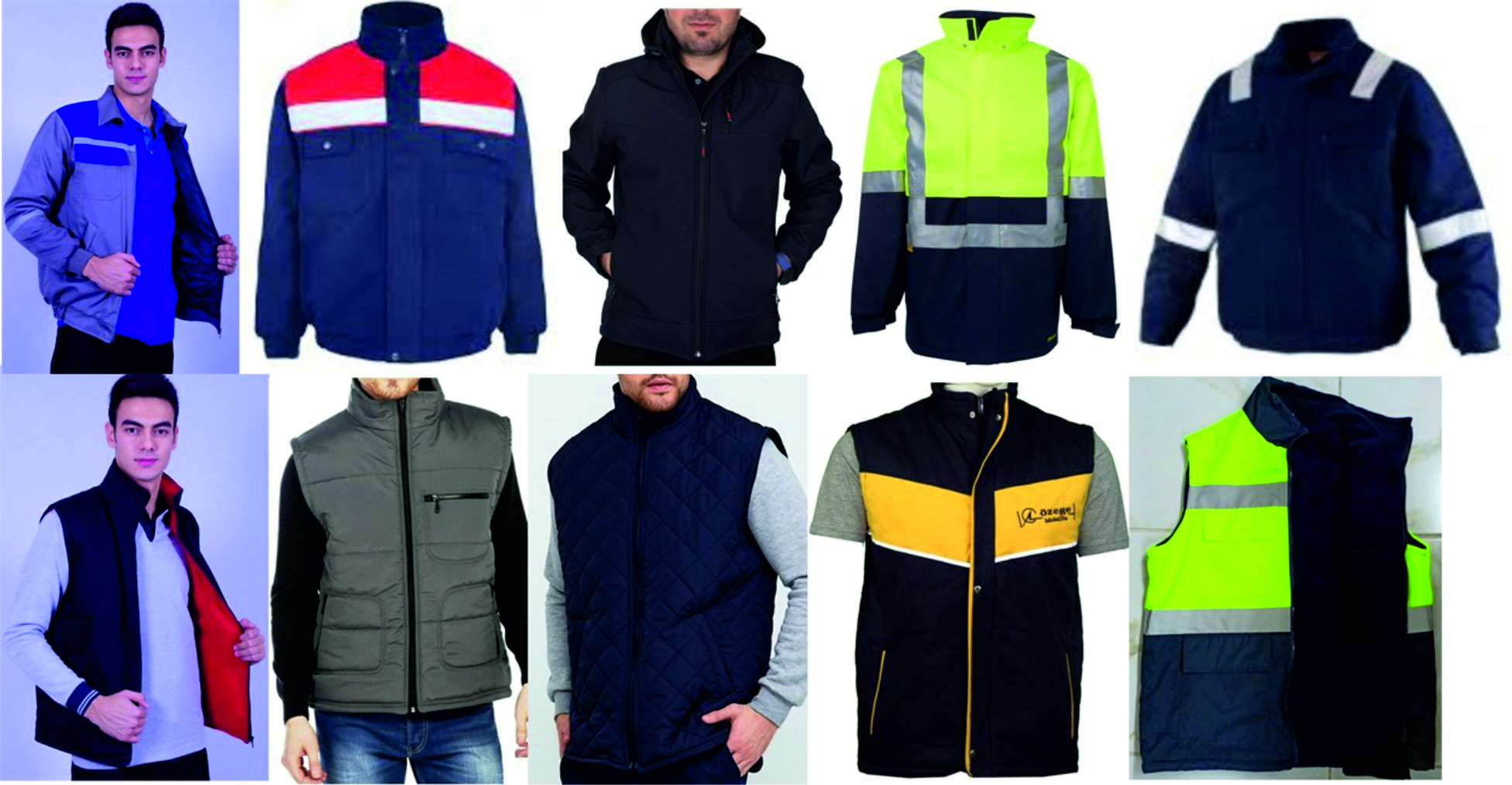
PPE protective clothing standards guide visual
Reading time
9 min read
Updated
2026-06-16

Author and source

Fatih Can

B2B workwear buying and quote brief editorial lead

The right protective garment is chosen by matching the work risk to the class of the relevant standard: EN ISO 20471 (Class 1/2/3) for road and traffic visibility, EN ISO 20345 (S1–S5) for safety footwear, EN 343 for rain and weather, EN ISO 11612 for heat and flame, EN ISO 11611 for welding. These standards apply under personal protective equipment (PPE) rules by risk level (Category I/II/III). İlke Tekstil manufactures workwear compliant with these standards and supplies items such as safety footwear from certified manufacturers, clearly stating that the conformity sits on the product and its manufacturer.

EN ISO 20471: high-visibility Class 1, 2 and 3

EN ISO 20471 splits high-visibility clothing into three classes by the area of fluorescent background and retroreflective material required on the smallest size. A higher class means more required area and greater visibility. A vest alone usually provides at most Class 2; Class 3 needs the vest combined with a long-sleeve top or trousers.

  • Class 1: at least 0.14 m² fluorescent + 0.10 m² retroreflective (low risk)
  • Class 2: at least 0.50 m² fluorescent + 0.13 m² retroreflective (warehouse, daytime outdoor)
  • Class 3: at least 0.80 m² fluorescent + 0.20 m² retroreflective (fast traffic over 60 km/h, night roadwork)

EN ISO 20345: safety footwear classes (S1–S5)

Safety footwear is chosen by EN ISO 20345 class according to work risk. All classes have an impact-protective toe; added features (penetration resistance, water-resistant upper, slip-resistant sole) define the class.

  • S1/S1P: dry environment, antistatic; S1P adds a penetration-resistant sole (warehouse, logistics)
  • S2: water-resistant upper (food, cleaning)
  • S3: penetration-resistant sole + water-resistant upper + cleated sole (construction, industry)
  • S4/S5: full polymer boot (kitchen, farming); steel or composite (light, metal-free) toe

EN 343 weather protection + EN ISO 11612/11611 heat and welding

EN 343 rates rain and weather clothing with two digits: X for waterproofness (class 1–4) and Y for water-vapour resistance, i.e. breathability (class 1–4). A higher X is more waterproof, a lower Y is more breathable. Heat and flame protection falls under EN ISO 11612, welding and molten-metal work under EN ISO 11611.

  • EN 343 X: waterproofness 1–4 (1 ≥ 8000 Pa, 4 ≥ 30000 Pa)
  • EN 343 Y: breathability (RET) 1–4
  • EN ISO 11612: heat and flame; EN ISO 11611: welding

Choosing the right class + PPE category + buying checklist

The right protection is chosen by a risk analysis of the work, not by product name. PPE rules split products into three categories by risk: Category I minimal risk, Category II intermediate risk (high-visibility and safety footwear typically here), Category III irreversible or fatal risk (heat, flame, chemical, falls from height). For bulk orders, class, size distribution and repeat-order consistency are planned together.

  • Risk first: traffic speed, wetness, heat, penetration, chemical
  • Match class to risk (night roadwork = Class 3 + S3 footwear)
  • Size distribution and repeatable colour/class
  • Verify CE mark and standard code on the product

Buying decision table

Decision areaRecommendationNote
Night roadwork / site trafficEN ISO 20471 Class 3 (vest + long-sleeve/trousers) and EN ISO 20345 S3 footwear.Highest visibility and protection on fast traffic and wet/sharp ground.
Daytime warehouse / indoor siteEN ISO 20471 Class 2 vest and S1P or S3 footwear.Intermediate risk; balance of visibility and comfort.
Heavy industry / weldingEN ISO 11612 heat-flame garment and S3 footwear; EN ISO 11611 welding garment if needed.Category III protection against heat, sparks and penetration.

Linked categories

Linked sectors

Frequently asked questions

Do I need EN ISO 20471 Class 2 or Class 3?

The class depends on traffic speed and risk level. Daytime low-speed settings may be fine with Class 2; fast traffic (over 60 km/h) or night work needs Class 3.

What class does a reflective vest alone provide?

Because of its surface area, a vest alone usually provides at most Class 2. Class 3 requires the vest combined with a long-sleeve top or trousers.

What does EN ISO 20345 S3 mean?

S3 footwear combines a penetration-resistant sole, water-resistant upper and a cleated (slip-resistant) sole. It suits wet, sharp, heavy work such as construction, industry and farming.

What is a PPE category?

Personal protective equipment is split into three categories by risk: Category I minimal risk, Category II intermediate (high-visibility and safety footwear typical), Category III irreversible or fatal risk. The category sets the product conformity process.

Does washing reduce visibility?

Repeated washing can gradually reduce fluorescent and retroreflective performance; follow the manufacturer wash instructions and maximum wash count, and replace the garment when performance drops.

How does İlke Tekstil ensure conformity for these products?

We manufacture standard-compliant workwear and supply items such as safety footwear from certified manufacturers. The CE mark and standard compliance sit on the product, applied by its manufacturer; we make no conformity claim of our own and pass on the conformity the product carries.

Quote preparation

Turn this guide into a quote brief

For the right class, share team size, work environment (traffic, wetness, heat), required standard (e.g. EN ISO 20471 Class 3) and size distribution in one message, and we will prepare a suitable product and written quote quickly.

Request quote